
In the competitive landscape of new home construction, efficient project management is crucial. Asynchronous construction, a modern approach that emphasizes flexibility and speed, has gained traction, promising streamlined processes for residential construction services. However, this shift comes with its own set of challenges, from managing dispersed teams to navigating regulatory hurdles. This article examines the multifaceted world of asynchronous construction, exploring its benefits like accelerated build times and cost savings, while also dissecting potential drawbacks such as coordination complexities and potential delays in permitting. By the end, you'll gain a comprehensive understanding of this innovative practice, enabling informed decisions for your next construction project.
- Understanding Asynchronous Construction: A New Approach
- Benefits: Efficiency, Cost-Savings, and Flexibility Achieved
- Challenges: Coordination, Communication, and Timelines
Understanding Asynchronous Construction: A New Approach
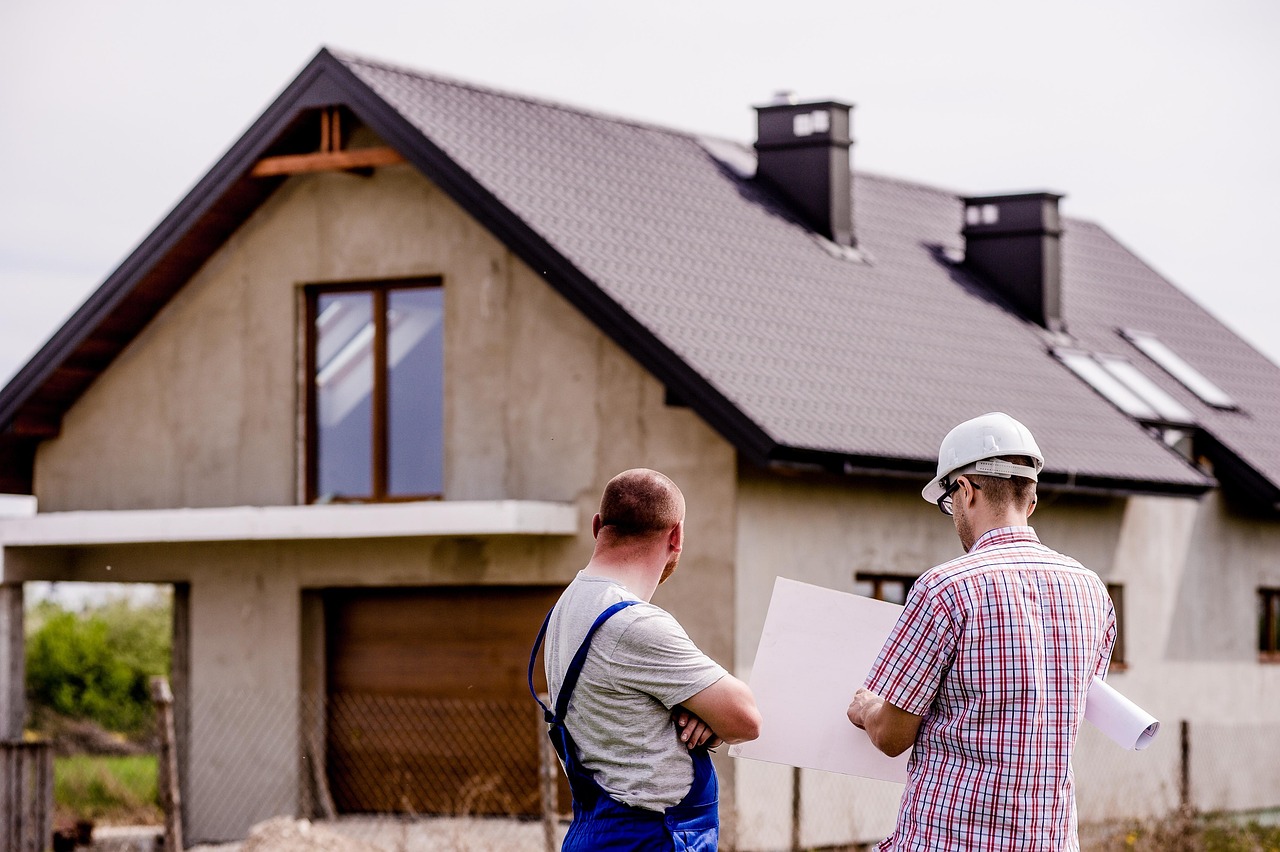
In the evolving landscape of residential construction, a new paradigm is emerging: asynchronous construction. This innovative approach challenges the traditional linear building process, offering a more flexible, efficient, and client-centric model. For homeowners and residential construction services alike, asynchronous construction presents a series of benefits, from accelerated project timelines to enhanced communication. However, it's not without its challenges, requiring a shift in mindset and often utilizing digital tools, like home renovation apps, to streamline workflows.
Asynchronous construction involves breaking down a project into distinct, interconnected phases, allowing for parallel work and greater control over the construction process. Unlike traditional methods, where a project moves from start to finish in a set sequence, asynchronous approaches enable multiple trades to operate independently, working on different aspects of the build simultaneously. This can significantly reduce construction time, especially for complex projects, such as bathroom remodels near me or high-end kitchen designs. While a traditional build might have all plumbing installed before electrical work begins, asynchronous construction could see these tasks executed concurrently, expediting the overall project.
One of the key advantages lies in the improved communication and collaboration it fosters. Best home builders in [location] employing asynchronous methods often utilize digital platforms, including home renovation apps, to facilitate seamless communication between clients, architects, contractors, and subcontractors. This integrated approach ensures everyone works from the same design plans, specifications, and timeline, reducing errors and streamlining decision-making. For residential construction services, this means a more responsive and transparent process, where clients are actively involved throughout, resulting in a final product tailored to their unique needs and preferences.
However, transitioning to asynchronous construction requires careful planning and consideration. Projects must be meticulously designed and organized to ensure a logical flow of work. Builders and contractors must be adept at managing multiple tasks independently and coordinating their efforts effectively. Engaging with clients early and often is crucial to set expectations and ensure alignment with their vision. By embracing this new approach, services can deliver projects faster, more efficiently, and with a higher degree of client satisfaction, solidifying their position in a competitive market. Give us a call at home renovation apps to learn more about how this modern method can transform your construction experience.
Benefits: Efficiency, Cost-Savings, and Flexibility Achieved

Achieving Efficiency, Cost-Savings, and Flexibility in Residential Construction Services
Asynchronous construction, a modern approach to building, offers a multitude of benefits for residential projects. One of the key advantages is the improved efficiency it brings to the traditional construction process. By breaking down tasks into smaller, manageable chunks and allowing for more flexibility in scheduling, asynchronous methods can significantly reduce overall project timelines. This approach is particularly beneficial in densely populated areas where space is limited and minimizing disruption is crucial. A custom home builder in new home construction could phase a project to sequentially construct individual units, enabling residents to move in gradually and limiting the impact on neighbors.
Cost-saving opportunities are another significant advantage. Asynchronous construction allows for better resource allocation and optimized material use. By scheduling tasks in parallel rather than sequentially, contractors can reduce labor costs and minimize waste. This method also fosters collaboration among subcontractors, streamlining logistics and negotiable pricing. Incorporating affordable renovation ideas and eco-friendly home upgrades into this model can further enhance cost-effectiveness while promoting sustainability. A home renovation company could use asynchronous scheduling to install energy-efficient appliances and smart home technology simultaneously, reducing overall project expenses.
Flexibility is a cornerstone of asynchronous construction, empowering both builders and clients. This approach enables easier adjustments to design plans and budget constraints. When clients engage services that embrace this method, they gain the autonomy to make changes without the usual delays. If a homeowner decides to swap a larger kitchen for an expanded outdoor living space during construction, an asynchronous model allows for this change to be incorporated seamlessly, demonstrating the adaptability of this construction trend. Homeowners can even schedule inspections and project walkthroughs at their convenience, ensuring transparency and peace of mind throughout the process. Contacting a reputable home inspection service to ensure quality control at each phase can be a valuable part of this flexible approach.
Challenges: Coordination, Communication, and Timelines

Navigating the Challenges of Asynchronous Construction in Residential Services
Asynchronous construction, with its emphasis on flexibility and client autonomy, presents unique hurdles for services. While it empowers homeowners to make decisions at their own pace, it also requires meticulous coordination and clear communication to ensure projects stay on track. One of the primary challenges lies in managing timelines-a critical aspect often disrupted by asynchronous methods. Traditional, linear construction schedules are inherently incompatible with this approach, where tasks can be completed in any order. A homeowner might choose to install new flooring (a task typically delayed until later stages in a linear project) before finalizing the paint scheme. This can lead to delays or require revisits, impacting both the budget and timeline.
Effective communication becomes even more vital in asynchronous construction. Homeowners, architects, contractors, and various subcontractors must maintain constant dialogue to ensure everyone is aligned on project goals, materials, and timelines. Misunderstandings or a lack of clear instructions can result in unexpected changes or mistakes. A homeowner might envision a specific type of roof but not communicate it effectively to the expert roof repair services they've hired, leading to an unsuitable material selection. To mitigate these risks, services should implement robust communication strategies, such as regular virtual meetings and detailed documentation, ensuring everyone involved is on the same page.
Coordinating various contractors and specialists can be complex. Commercial and residential roofing, home repair estimates, and interior design elements often require distinct professionals, each with their own timelines and requirements. In asynchronous construction, these experts must work in harmony, understanding the interdependencies of their tasks. A misstep in one area can cascade, affecting the entire project. Therefore, it's crucial for residential construction management teams to foster a collaborative environment, encouraging open communication and flexibility. This may involve creating detailed schedules that accommodate different timelines, ensuring each contractor understands their role in the bigger picture.
Frequently Asked Questions About Asynchronous Construction Benefits & Challenges
What is asynchronous construction? Asynchronous construction is an innovative building process where construction tasks are completed in a non-linear, decentralized, and often remote fashion. Instead of a sequential, centralized approach, workers and subcontractors perform tasks independently and concurrently, guided by digital plans and real-time communication.
Why is asynchronous construction gaining popularity? Asynchronous construction offers several advantages, such as increased efficiency, reduced labor costs, faster project completion, and improved safety. It minimizes site traffic, enhances collaboration, and allows for more flexible working arrangements, making it particularly attractive in the current post-pandemic era where remote work is becoming the norm.
What are the key benefits of asynchronous construction? The primary benefits include:
- Enhanced Productivity: By breaking down tasks and allowing parallel work, asynchronous construction expedites project timelines and increases overall productivity.
- Cost Efficiency: Lowering labor and overhead costs is possible due to the decentralized nature of the process, making it a cost-effective solution for both builders and homeowners.
- Improved Safety: With fewer workers on-site at any given time, the risk of workplace accidents decreases, enhancing overall job safety.
- Flexibility and Adaptability: Asynchronous construction easily accommodates changes in project scope or design, allowing for greater flexibility during the building process.
What challenges do builders face when adopting asynchronous methods? Implementing asynchronous construction does come with certain challenges:
- Effective Communication: Ensuring clear and timely communication between all parties, especially when remote, is crucial for project success.
- Digital Literacy: Builders and subcontractors must be proficient in using digital tools and technologies to efficiently manage tasks and collaborate remotely.
- Quality Control: Maintaining quality standards can be more difficult without direct supervision, requiring robust digital documentation and inspection processes.
- Coordination and Scheduling: While asynchronous methods increase flexibility, coordinating multiple subcontractors and ensuring tasks are completed in the correct sequence can be complex.
How can builders ensure successful asynchronous projects? To ensure successful asynchronous projects, builders should:
- Invest in Digital Tools: Utilize project management software, 3D modeling, and real-time communication platforms to streamline workflows and enhance collaboration.
- Establish Clear Protocols: Define standard operating procedures, quality control measures, and communication protocols to maintain project integrity.
- Provide Training: Ensure all workers understand the asynchronous process, digital tools, and their roles in the project's success.
- Regularly Review Progress: Conduct virtual site meetings and inspect progress regularly to identify and address any issues promptly.
Asynchronous construction offers a transformative approach to services, presenting significant advantages while demanding careful navigation of key challenges. By prioritizing efficiency, cost-saving, and flexibility, this innovative model disrupts traditional timelines, empowering homeowners and builders alike. However, successful implementation hinges on robust coordination, clear communication, and adaptive planning to overcome potential delays and complexities. Embracing these dualities, asynchronous construction promises to redefine the landscape of residential building, delivering projects that are not only timely and budget-friendly but also tailored to individual needs and preferences. For those in new home construction or considering renovations, understanding these dynamics is essential for harnessing the full potential of this evolving sector.
Asynchronous Construction for Residential Services: A Summary
Asynchronous construction offers residential services a flexible, client-centric approach, accelerating timelines and enhancing collaboration. It involves breaking projects into interconnected phases, allowing parallel work and reducing construction time, especially for complex designs. Key benefits include improved communication through digital platforms, cost savings through optimized resource allocation, and enhanced flexibility for design changes and budget adjustments.
However, challenges include managing unpredictable timelines, maintaining clear communication, and coordinating multiple contractors. To succeed, residential services must implement robust communication strategies, foster collaboration, and create detailed schedules accommodating different timelines. This approach solidifies control, reduces disruptions, and ensures client satisfaction.